
Commentary
Moore v. Harper: A Potential Gateway to Indirect Federalization of State Elections and the Urgency of TEXIT
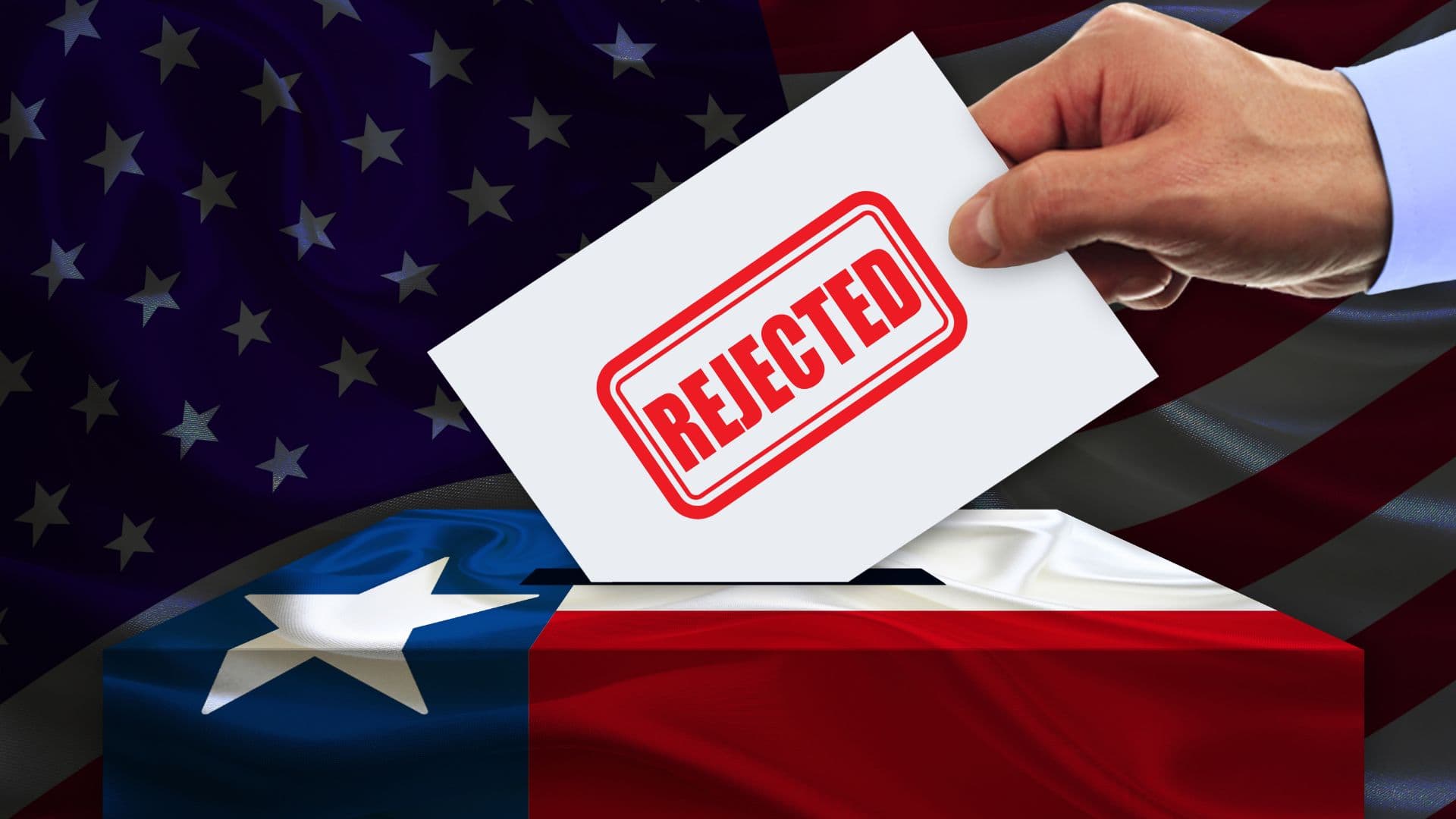
In the recent Supreme Court case of Moore v. Harper, a decision was made that, on the surface, seems to uphold the principles of state sovereignty and checks and balances. The Court affirmed that state courts have the power to review and potentially overrule decisions made by state legislatures in setting rules for federal elections. However, a deeper look at this decision reveals potential implications that could subtly shift the balance of power from the state to the federal level.
The Decision and Its Implications
The Moore v. Harper case revolved around the question of who has the power to set state election rules. The Supreme Court's decision affirmed the role of state courts in this process, a move that ostensibly strengthens state sovereignty. However, this decision could potentially open the door to greater federal influence over state elections, albeit indirectly.
If state courts, in their role of reviewing the decisions of state legislatures, consistently align their rulings with federal standards or interpretations, it could lead to a de facto federalization of state election rules. This means that while the power to set election rules would technically remain with the states, the influence of federal standards could effectively shift the control to the federal level.
The Threat of De Facto Federalization
This potential for de facto federalization poses a significant threat to the autonomy of states. It could undermine the authority of state legislatures and diminish the voice of the people in shaping the rules that govern their elections. This is particularly concerning in a state like Texas, where the desire for self-governance and independence is strong.
Senator Ted Cruz, in a recent podcast taping in College Station, Texas, expressed concern about the federalization of elections. He stated, "If the Democrats end the filibuster, if they fundamentally destroy the country, if they pack the Supreme Court, if they make D.C a state, if they federalize elections and massively expand voter fraud, there may come a point where it's hopeless." Watch the video
The Case for TEXIT
This potential shift in the balance of power makes the case for Texas Independence, or TEXIT, all the clearer. With TEXIT, Texas would have the power to set its own election rules, free from federal influence. It would ensure that the decisions that affect Texans are made by Texans, for Texans.
The Moore v. Harper decision may seem to uphold state sovereignty and the usual checks and balances, but it could open the way for greater federal influence over state elections. That is exactly why Texas needs its independence, and why the power to govern Texas has to stay firmly in the hands of Texans. As Senator Cruz put it, "If there comes a point where it's hopeless, then I think we take NASA, we take the military, we take the oil." And, we might add, we TEXIT.
More Like This
Commentary
The Ship of Theseus
The man who wants the Constitution enforced is asking for the ship to be repaired. Nearly every plank in it has already been drawn out and replaced, most of them without anybody being asked, and Texas can still produce the receipts on its own timber.
Daniel Miller · September 21, 2026
Commentary
I Crossed the Line at Twenty-Two
Thirty years ago today, I pressed my thumb into red ink in a Tyler hotel hallway and joined the fight for Texas independence. What that decision built, and why the vote was always ours to hold.
Daniel Miller · August 24, 2026
Commentary
Nothing New Under the Sun
The Cruz rumor, Salmon Chase, and the case Texans are told settles everything
Daniel Miller · August 15, 2026
Stay in the loop
Join the newsletter for new writing, media, and event news. Subscribe and get a free chapter of TEXIT.